© Rocketmann team
In today’s rapidly changing world, youth workers face a powerful challenge: ensuring that every young person feels included and not left behind.
Within this framework, inclusion is a transformative approach that reshapes youth work so all young people can participate, grow, and thrive.
Inclusion: More Than Just Being Present
In youth work, inclusion means making a conscious effort to guarantee equal opportunities for all young people, regardless of background, identity, or ability. It goes far beyond simply welcoming diversity. That’s why it is very important to understand the difference between Inclusion, Integration, Diversity and Accessibility, in the first place.
While integration typically asks individuals to fit in to existing structures, inclusion actively reshapes those structures so everyone can participate on equal terms (Booth & Ainscow, 2011). On the other hand, while diversity tells us who is in the room, inclusion tells us whether everyone feels valued and empowered to contribute. Even accessibility, essential as it is, remains only a starting point. A wheelchair ramp in a youth centre removes a barrier, but true inclusion happens only when programmes fully engage young people with mobility difficulties in meaningful ways.
Why Inclusion Is a Cornerstone of Youth Work
© Antoine Schibler
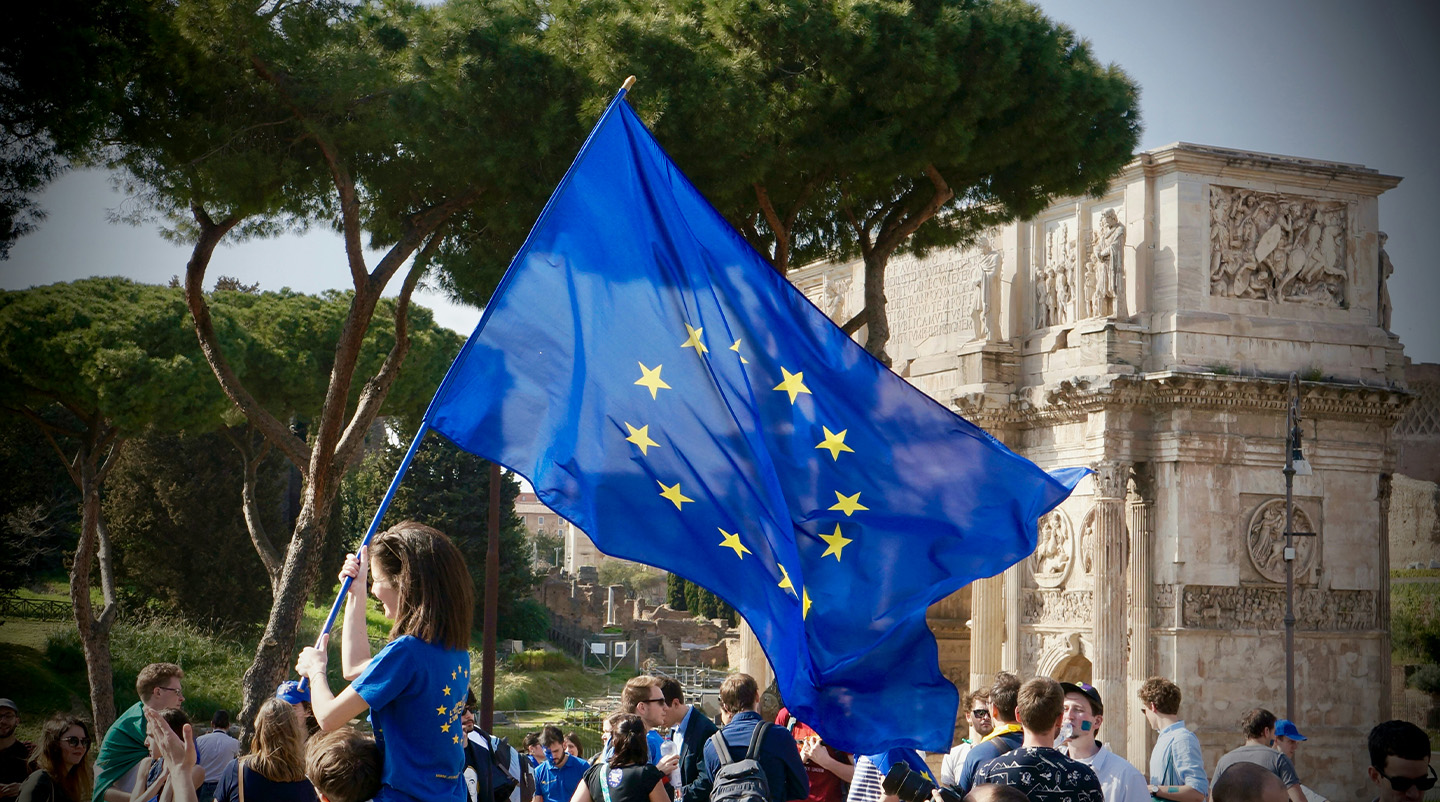
At the European level, current international frameworks make this clear. For example, the UN Convention on the Rights of the Child (United Nations, n.d.) states that every child has the right to participate fully in society, and the European Youth Strategy (European Commission, 2019) reinforces this principle. Overall, Europe’s policy frameworks reinforce this mission. Programmes such as Erasmus+ and the European Solidarity Corps explicitly prioritise inclusion, offering financial support, adapted mobility formats, and youth-led opportunities (European Commission, 2023). Inclusive youth work is therefore not optional; it is a rights-based obligation. Through these tools, youth workers can ensure no young person is left behind.
But inclusion also creates powerful developmental and social benefits. Research in non-formal education shows that feeling recognized boosts confidence, motivation, and engagement. As Illeris (2009) highlights, meaningful learning emerges from the interaction between cognitive, emotional, and social dimensions—making inclusive environments essential for young people to participate fully and develop holistically. At a community level, inclusion reduces prejudice, strengthens cohesion, and encourages active citizenship, key principles also highlighted by SALTO, the European network supporting youth workers and youth leaders through non-formal education activities and resources (SALTO, n.d.)
In other words, inclusion empowers young people not only to take part, but to shape the spaces they inhabit.
Putting Inclusion Into Practice: Three Levels of Action
© Ivan S
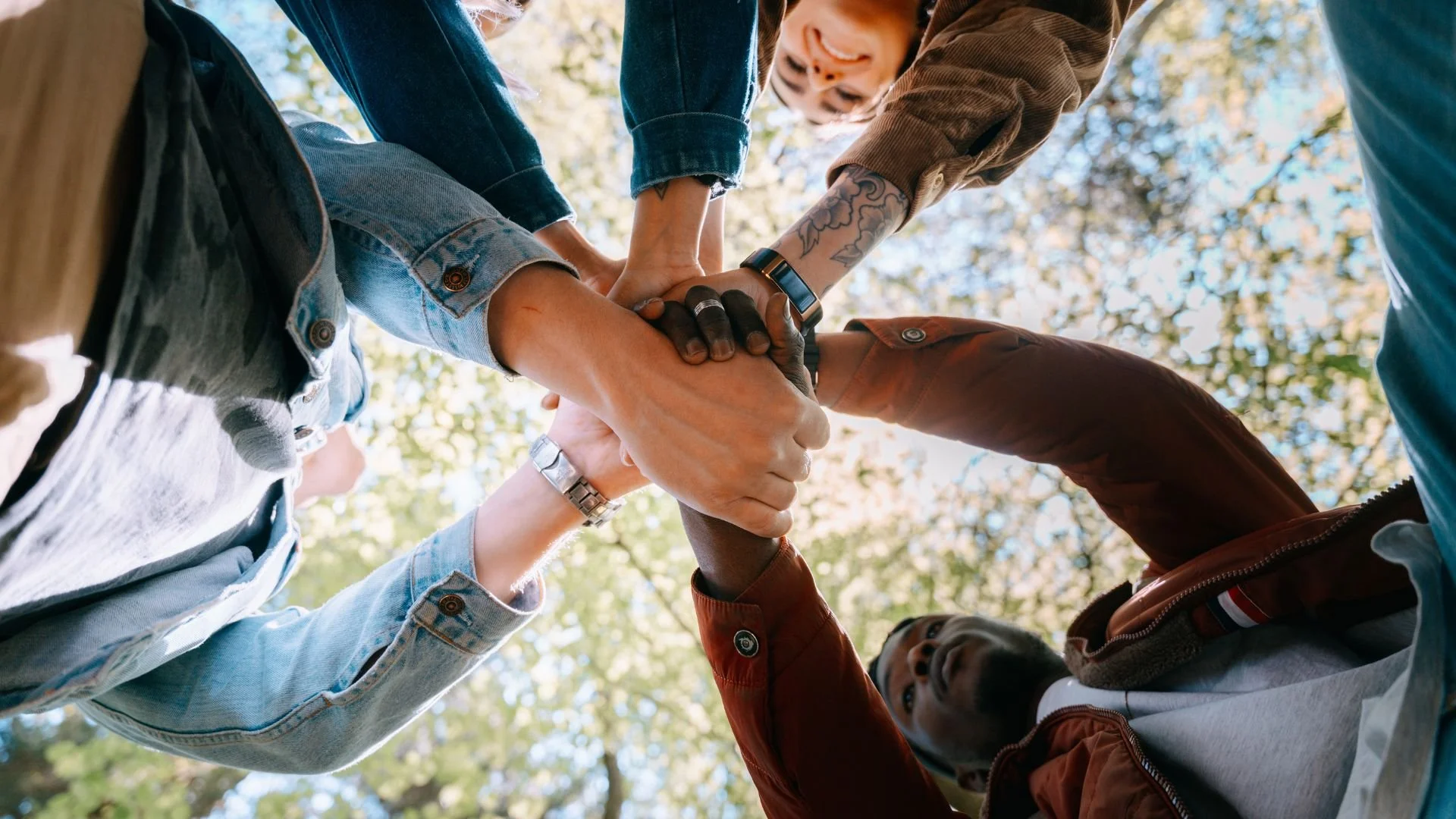
Effective inclusion happens simultaneously on several levels:
- Individual Level: Youth workers adapt facilitation to meet specific needs, for instance, offering written and oral instructions for young people with dyslexia or providing sensory-friendly spaces for neurodiverse participants.
- Organisational Level: Youth organisations embed inclusive values into their policies, staff training, and recruitment practices. This creates long-term cultural change, not one-off adjustments.
- Community Level: Inclusion expands beyond the youth centre through cooperation with schools, families, social services, and local communities. Such partnerships help shift broader attitudes and build supportive ecosystems.
How Youth Workers Make Inclusion Real
Inclusion is not a static goal, it is an everyday practice. Youth workers can foster it through:
- Inclusive facilitation, using methods that appeal to multiple learning styles
- Safe spaces, created by co-developing group rules
- Co-creation, involving youth in planning and evaluating activities
- Flexibility, adjusting activities as new needs emerge
At its core, inclusion is also an attitude. It requires empathy, patience, and the willingness to see differences not as challenges, but as opportunities for collective learning.
Inclusion in Action: 3 European projects as case studies
Across Europe, many initiatives show how inclusive youth work can transform lives, especially for young people with Specific Learning Disorders (SLDs).
Skilled Mom for the Future
© Skilled Mom for the Future
Skilled Mom for the Future uses dance as a non-verbal expressive tool for young people with dyslexia. Studies show that creative movement enhances socio-emotional skills and confidence, offering alternative channels for communication and learning (IDEA Europa, 2023).
LEAD!
© LEAD!
The LEAD! project created the MY SKILLS platform, offering personalised learning pathways for young people with SLDs. By focusing on strengths rather than deficits, the project demonstrates how digital tools can empower learners and build autonomy (OBESSU, 2022).
Sport as a Bridge to Inclusion
© SASLED
SASLED promotes inclusive sports activities and training for youth workers. Research suggests that physical activity improves executive functioning—often an area of difficulty for young people with SLDs, while strengthening teamwork and self-esteem (AID Italia, 2023).
References
Associazione Italiana Dislessia. (2023). Progetto Erasmus+ Sport: SASLED. https://www.aiditalia.org/progetto-erasmus-sport-sasled
Booth, T., & Ainscow, M. (2011). Index for inclusion: Developing learning and participation in schools. Centre for Studies on Inclusive Education. https://prsinstitute.org/downloads/related/education/IndexforInclusion.pdf
European Commission. (2019). EU youth strategy 2019–2027. https://youth.europa.eu/strategy_en
European Commission. (2023). Erasmus+ programme guide. https://erasmus-plus.ec.europa.eu/programme-guide/erasmus-programme-guide/introduction
European Commission. (2023). European Solidarity Corps guide. https://youth.europa.eu/sites/default/files/inline-files/european_solidarity_corps_guide_2023_en.pdf
IDEA Europa. (2023). Skilled Mom for the Future – Dance inclusion for young people with dyslexia. https://www.ideaeuropa.it/progetti-in-corso
Illeris, K. (2009). A comprehensive understanding of human learning. In K. Illeris (Ed.), Contemporary Theories of Learning (pp. 7–20). Routledge.
OBESSU. (2022). Achieving inclusive and learner-centred schools – LEAD! Project outcomes. https://www.obessu.org/resources/news/achieving-inclusive-and-learner-centred-schools-lead-project-outcomes/
SALTO Inclusion & Diversity. (n.d.). SALTO inclusion resource centre. https://www.salto-youth.net/rc/inclusion/
United Nations (n.d.). Convention on the Rights of the Child. https://www.ohchr.org/en/instruments-mechanisms/instruments/convention-rights-child